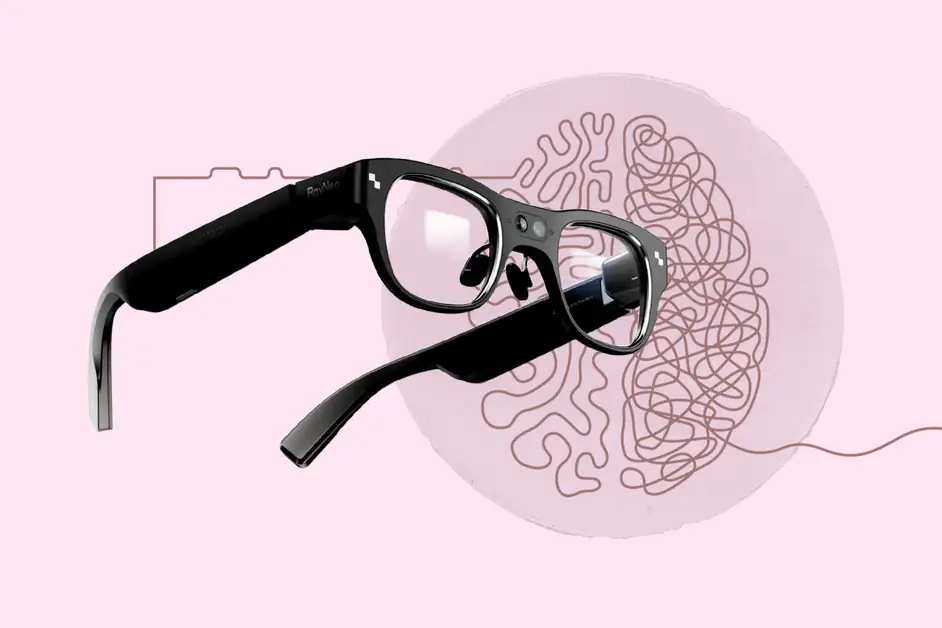
Ray-Ban Meta and the Future of Smart Glasses
Ray-Ban Meta marks a turning point in smart glasses technology, but ethical concerns arise.
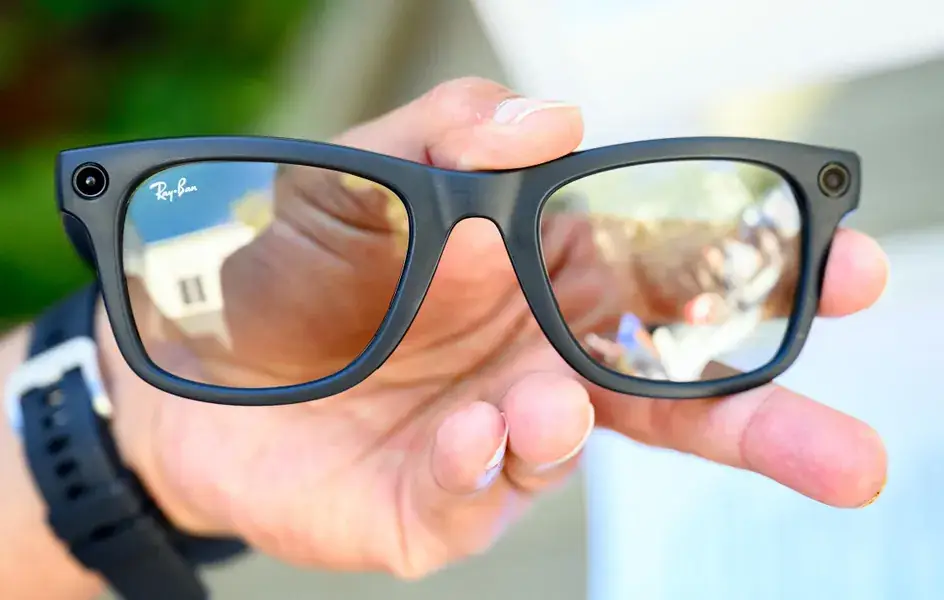
The smart glasses born from the collaboration between Meta and Luxottica represent one of the most interesting experiments in the field of wearable technology. In just a few years, these devices have transitioned from simple gadgets to increasingly sophisticated technological tools, with growing commercial results but also open ethical questions.
The First Generation: Ray-Ban Stories
Launched in September 2021, the Ray-Ban Stories were glasses capable of taking photos and recording short videos, with a maximum duration of 30-60 seconds. The idea was ambitious: to bring content capture technology directly to the user's face, in a discreet and fashionable way.
However, the market responded lukewarmly. According to leaked internal documents reported by the Wall Street Journal, about 300,000 units were sold by 2023. But the most concerning figure for the companies was the high abandonment rate: many users, after the initial purchase, stopped using them regularly.
The Turning Point with Ray-Ban Meta
In October 2023, the second generation arrived: the Ray-Ban Meta. These glasses brought significant improvements on multiple fronts: more powerful camera, superior audio quality, and, above all, integration with artificial intelligence.
The qualitative leap was reflected in sales. Although Meta does not provide official data, analyst estimates suggest over 1 million units shipped in the first half of 2024 - more than triple what was sold with the previous generation in two years.
Ambitious Plans for the Future
The commercial success of the second generation has prompted the two companies to reassess their industrial ambitions. According to stock market rumors leaked on January 13, Meta and Luxottica are considering doubling the production capacity of AI-equipped smart glasses, aiming to reach 20 million units per year by the end of 2026.
Open Questions on Privacy
Despite the commercial success, two significant issues remain that raise ethical and legal concerns.
The transparency issue: the glasses are equipped with a small LED light that is supposed to signal when recording is taking place. However, this light can be easily concealed, preventing people being recorded from knowing that their image and voice are being captured. Those being filmed or photographed may not notice at all.
The user consent issue: the data collection and processing system does not provide users with sufficient and informed control. Once information is acquired by the device, users have little visibility on how it is managed, processed, and potentially used by Meta.
These privacy concerns remain at the center of public debate as smart glasses technology continues to evolve rapidly.