Smart Glasses to Enhance Life with Dementia
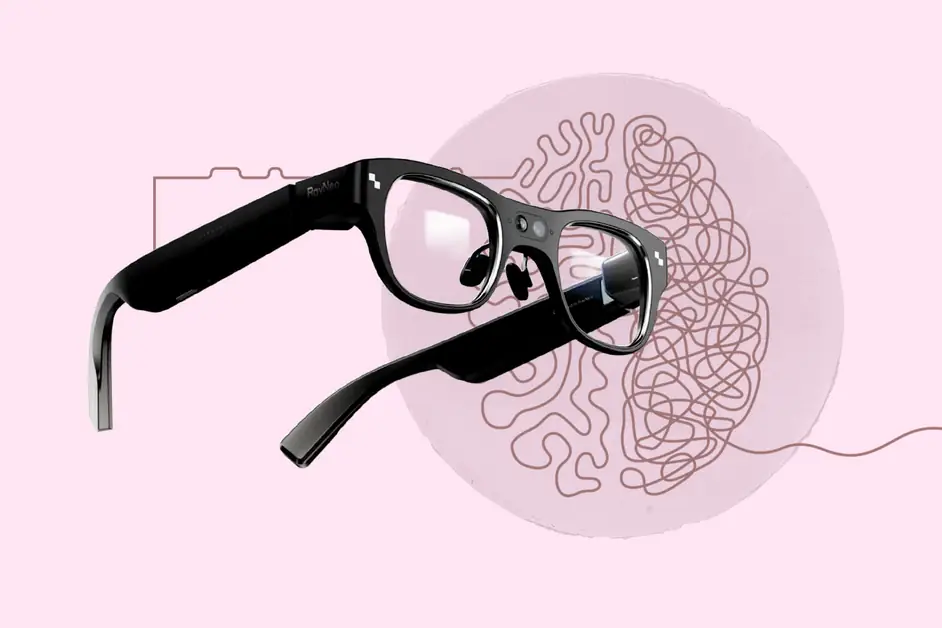
CrossSense is an innovative pair of smart glasses designed to help people with dementia live better and longer.
Imagine looking around your kitchen and not remembering if the stove is on, or meeting a family member and struggling to find the right name. For those living with Alzheimer’s or other forms of dementia, moments like these become daily occurrences and can rob independence, security, and peace of mind.
This is why a new development from the United Kingdom is generating so much hope: it is called CrossSense and it is a pair of lightweight smart glasses, almost normal, designed specifically to help people with mild to moderate dementia live better and longer on their own.
These glasses are not just a simple tech gadget. They have been developed by a London cooperative called Animorph, a group of people working together with the idea of using technology to truly improve people's lives, without exaggerated profit motives. The project has reached the finals of an important international award (the Longitude Prize on Dementia), which offers a million pounds for the most useful inventions against dementia.
How do these glasses work?
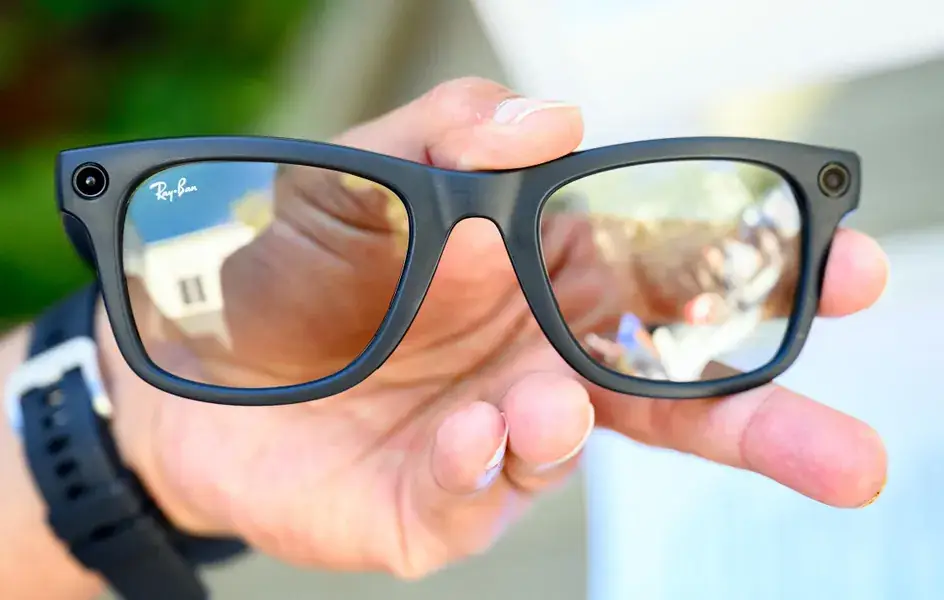
They are lightweight glasses that can also fit your regular prescription lenses. Inside, they have a small camera, a microphone, discreet speakers, and a very gentle artificial intelligence.
When you wear them, you look at an object and the glasses “see” it. Then, with a calm and friendly voice (or with text on the screen, if you prefer), they tell you what is in front of you: "This is the kettle," "Warning, the water is boiling," "The milk is in the fridge, check the expiration date."
They do not just name things. They guide you step by step through daily activities: making tea, brushing your teeth, leaving the house. Imagine being in the kitchen and hearing, "First turn on the water, then put in the teabag..." Everything is simple, without rush, just like a patient loved one would do.
But the most fascinating part is related to memory. The glasses use a scientific trick called "synesthesia" (that is, associating multiple senses together). For example, if your mother’s name is Rosa, when you see her (or in the future when the glasses recognize people), her name might appear written in her favorite color, accompanied by a pleasant sound or a colorful shape. Science says that these multisensory associations strengthen memories and may even slow down the progression of the disease a bit. It is not a cure, but a concrete aid to keep the brain active.
In tests conducted so far, 3 out of 4 people with dementia in various stages reported feeling better and more secure after using the glasses just once. Some have shared: "Sometimes I walk into a room and forget why I went in... now these glasses remind me of the purpose."
Why is this important?
Dementia does not only affect memory: it takes away autonomy. Many people end up in care facilities early because they can no longer manage small daily tasks. These glasses aim to be a "gentle anchor," as the creators call them: a discreet aid that allows individuals to stay at home longer, feel useful, and not always depend on children or caregivers.
The cooperative is very concerned about privacy (data is not sold to anyone) and wants to keep costs accessible: they are considering a monthly subscription around 50 pounds for the app that operates everything.
Of course, we are still in the advanced prototype phase and clinical testing (the award winner will be announced in early 2026). But even today, it represents a concrete hope: technology is not just for super-connected youth; it can also become a valuable ally for those who are older and face more challenges.